
October 1-2, 2026
Demo Day: September 30
South Haven, Michigan
Great Lakes
Water Safety Conference 2026
About the Conference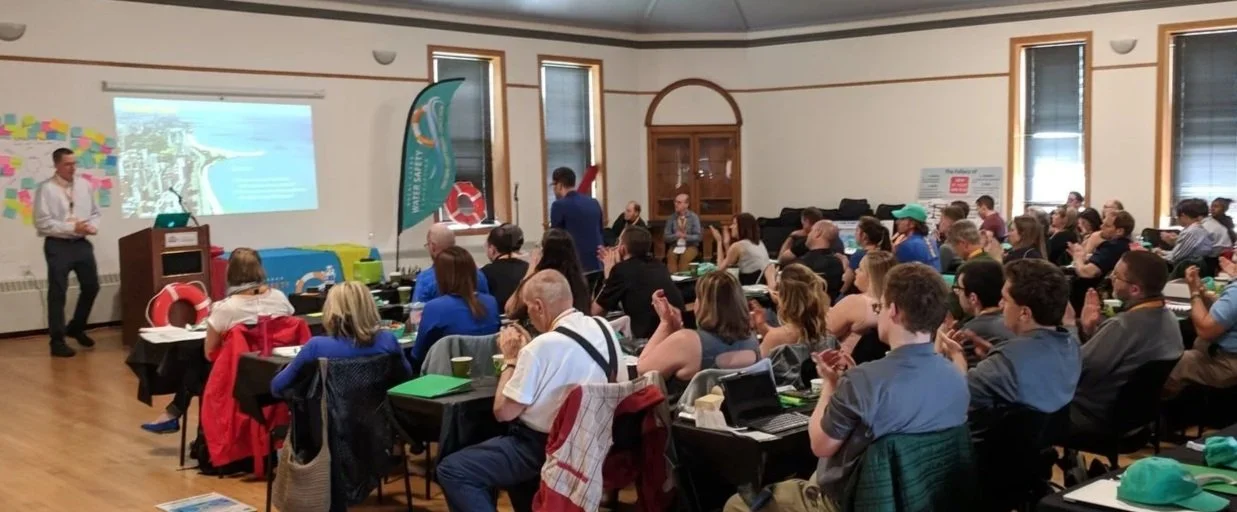
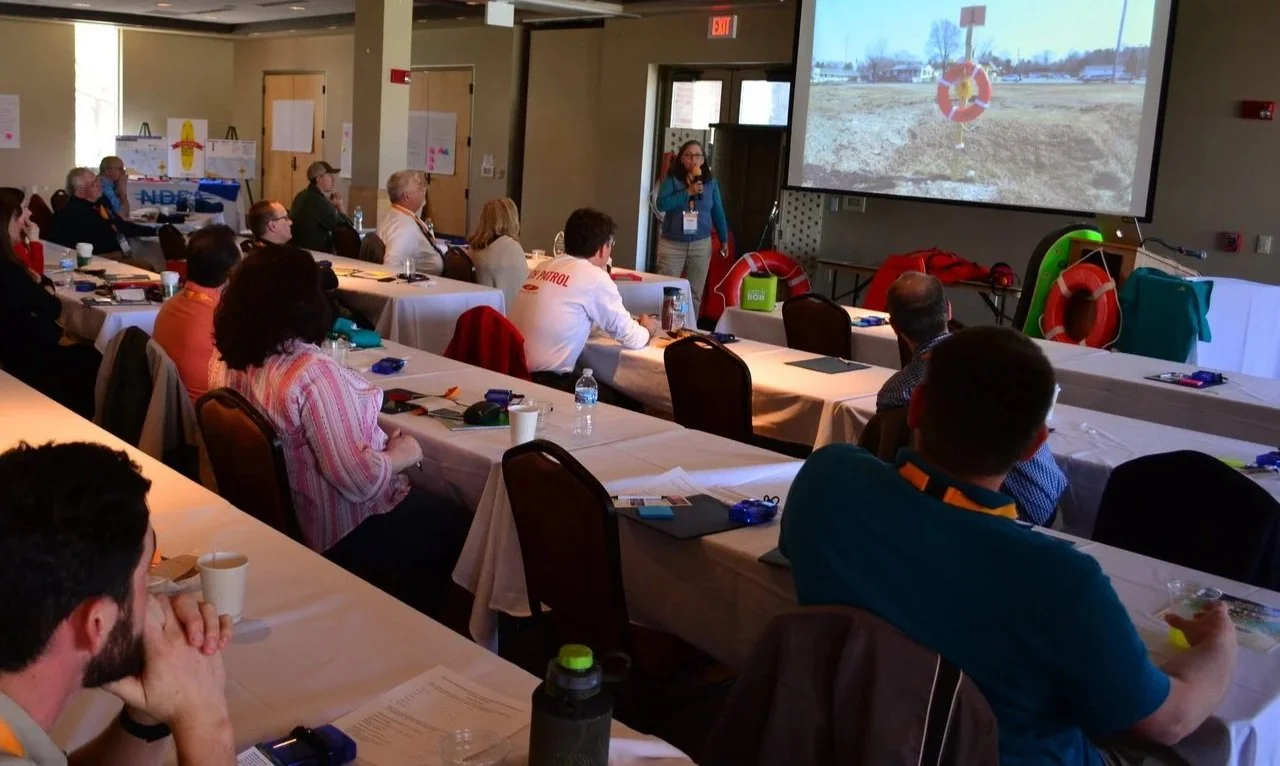
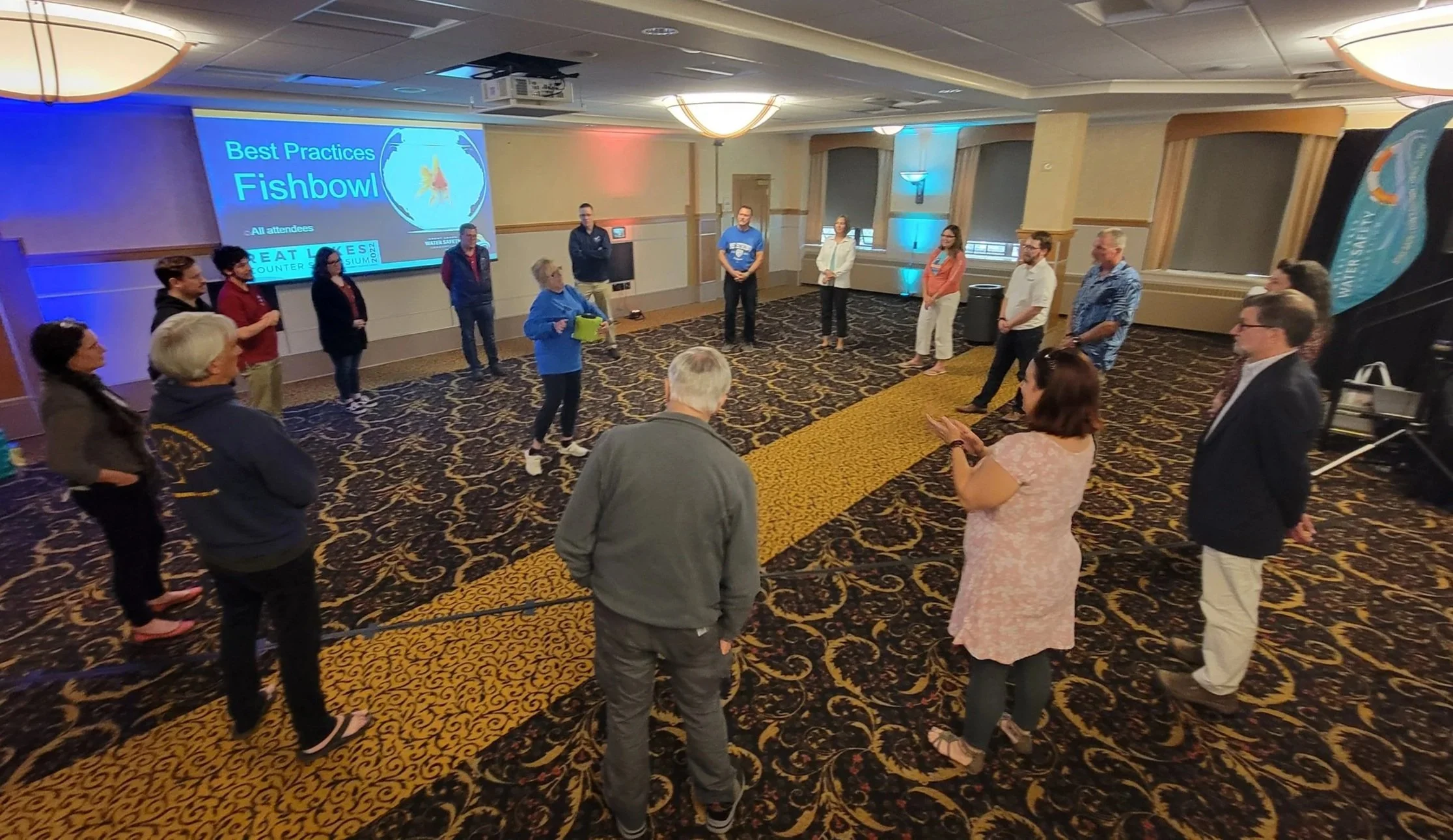
The Great Lakes Water Safety Consortium is bringing the water safety community back together – in person – for two days of practical learning, problem-solving, and connection.
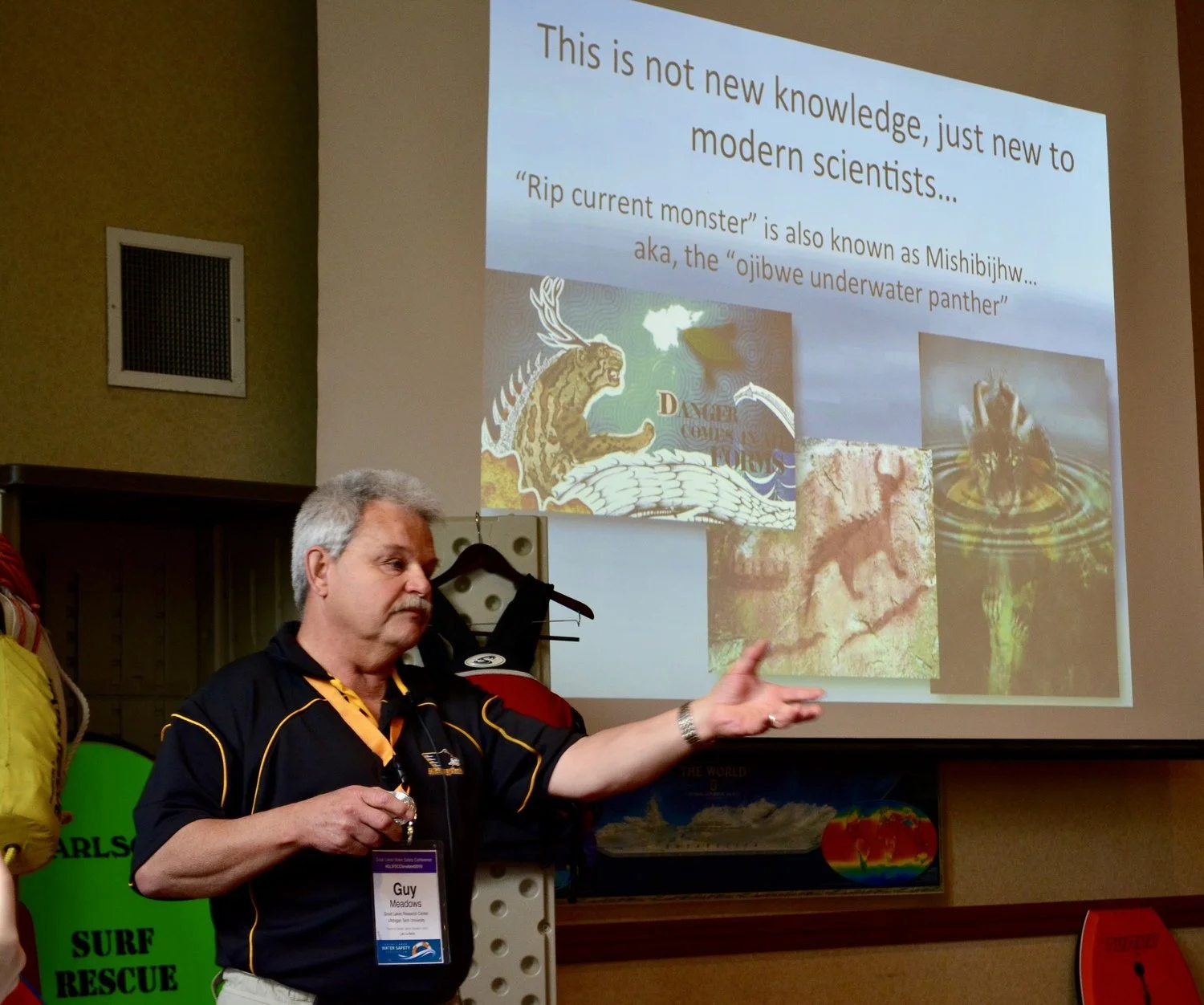
Our water safety events in Michigan, Indiana, Illinois, Wisconsin, and Ohio have brought together hundreds of first responders, beach/park and community leaders, researchers, survivors, victims' families, and other advocates sharing and learning ways to reduce drowning across the Great Lakes region. Now we're heading back to Michigan for our biggest gathering yet.
Join us.

Who Should Attend
This conference is for anyone working to make Great Lakes communities safer:
First responders and water rescue professionals
Beach managers and park leaders
Public health professionals and researchers
Elected officials and policymakers
Survivors and victims' families
Risk management professionals
Injury prevention champions
Nonprofit leaders and community advocates
Educators and camp directors
Tourism and hospitality professionals
Whether you're launching your first lifejacket loaner station or scaling a regional prevention strategy, you'll find your people here.

From Plans to Practice
This year's theme – From Plans to Practice: Great Lakes Water Safety in Action – reflects what we hear from communities all the time: "We want to make our beach safer, but we’re not sure how. Help us make it happen."
Expect real-world tools, proven approaches, and the kind of cross-sector collaboration that helps communities move from planning to implementation.
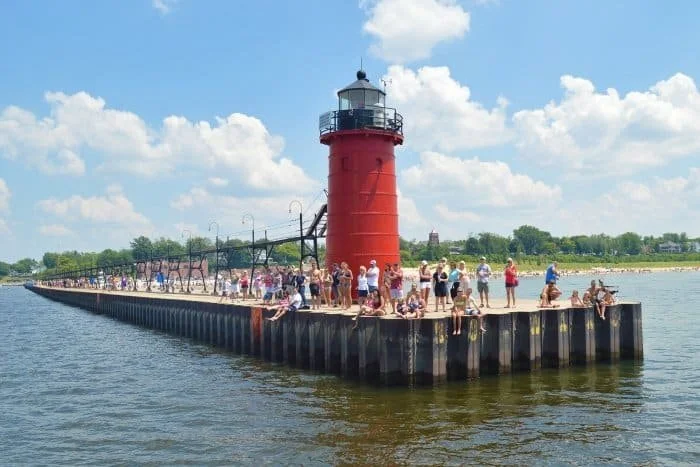
South Haven is the perfect setting. This Lake Michigan beach community has implemented several lifesaving water safety features along its shoreline and pier, making it a living example of the work we'll be discussing inside the Michigan Maritime Museum.

What to Expect
Interactive sessions, not just presentations. Our signature "reverse panel" format puts the collective expertise of the room to work on your toughest challenges. Bring your biggest questions – you'll leave with answers.
Real-world tools you can use Monday morning. Every session is designed around practical takeaways: implementation guides, model policies, program templates, and peer connections that last well beyond the conference.
Cross-sector problem-solving. Drowning prevention doesn't fit neatly into one discipline. Neither does this conference. You'll work alongside people from law enforcement, public health, parks and recreation, emergency management, education, and more – because that's how the best solutions get built.

Speakers
-
![Smiling woman with short grey hair and glasses]()
Pam Ford
HOST
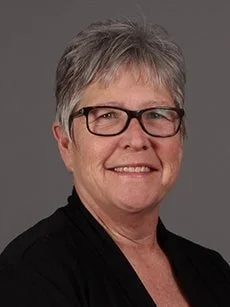
Pam Ford, MAEd, CPST-I is the Safe Kids Greater South Haven coordinator, where she has spent seven years working to reduce unintentional injuries in children. A former public educator, Pam brings 17 years of classroom experience to her mission of teaching children, caregivers, and communities how to stay safe at home, at play, and on the way. She co-chairs the GLWSC Education and Training Committee, chairs her county's Child Death Review Team, and co-chairs the Southwest/South Central Traffic Safety Network. -
![]()
Adam Deboer
KEYNOTE
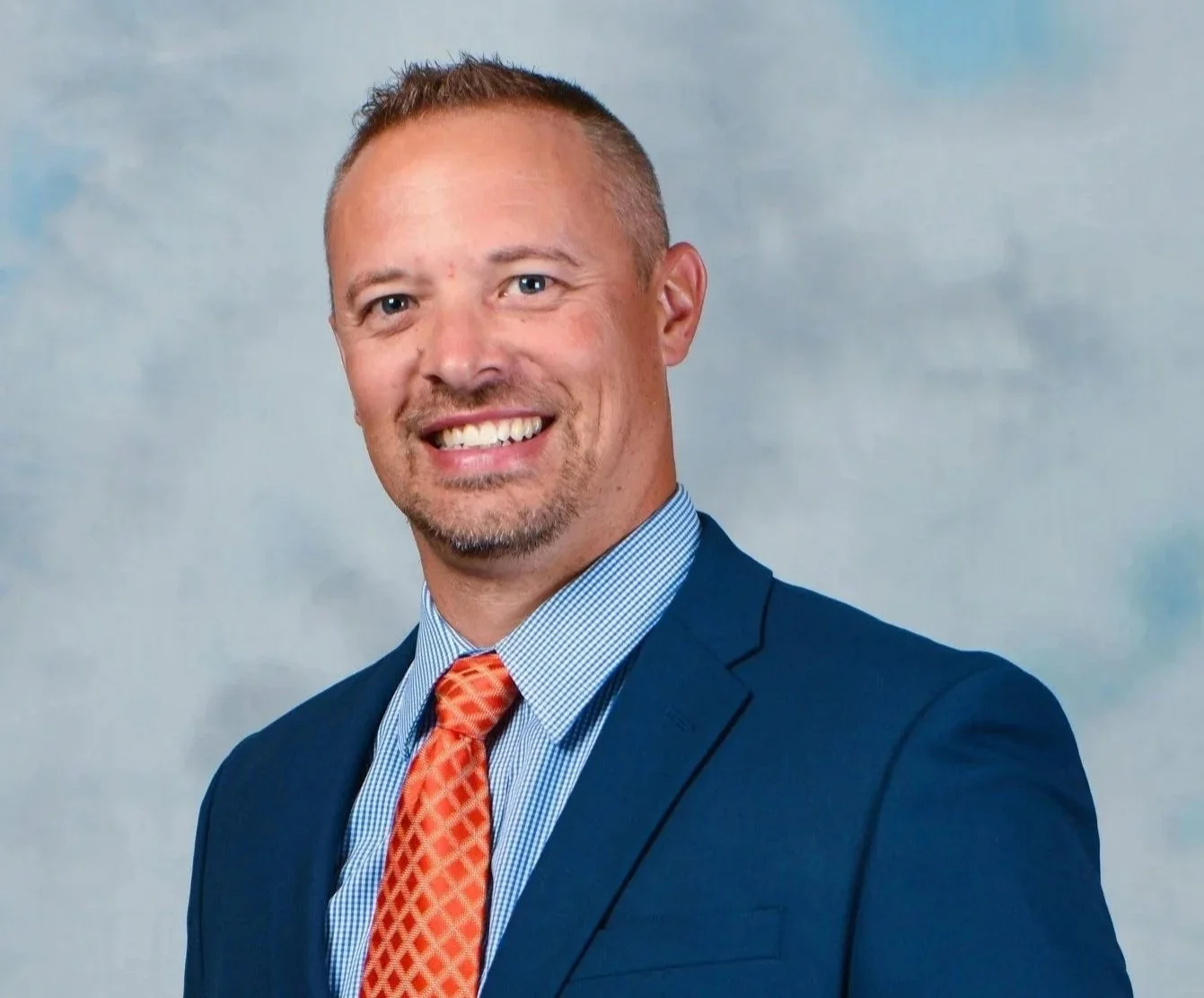
Adam is the Police Chief of the South Haven Police Dept (21.5 year member). Adam swam for Grand Valley State University and took his love of the water with him to SHPD. He attended swift water rescue at the Indiana River Rescue School in South Bend Indiana, International Surf Lifesaving Association (ISLA) training in Holland MI, and the California State Parks Surf Lifeguard training in Huntington Beach CA during his career at SHPD. He is an associate member of the CA Surf Lifesaving Association(CSLA) as well as a member of United Surf Lifesaving Association (USLA). -
![Smiling man with beard in black vest and grey shirt]()
Tim Wheeler
KEYNOTE
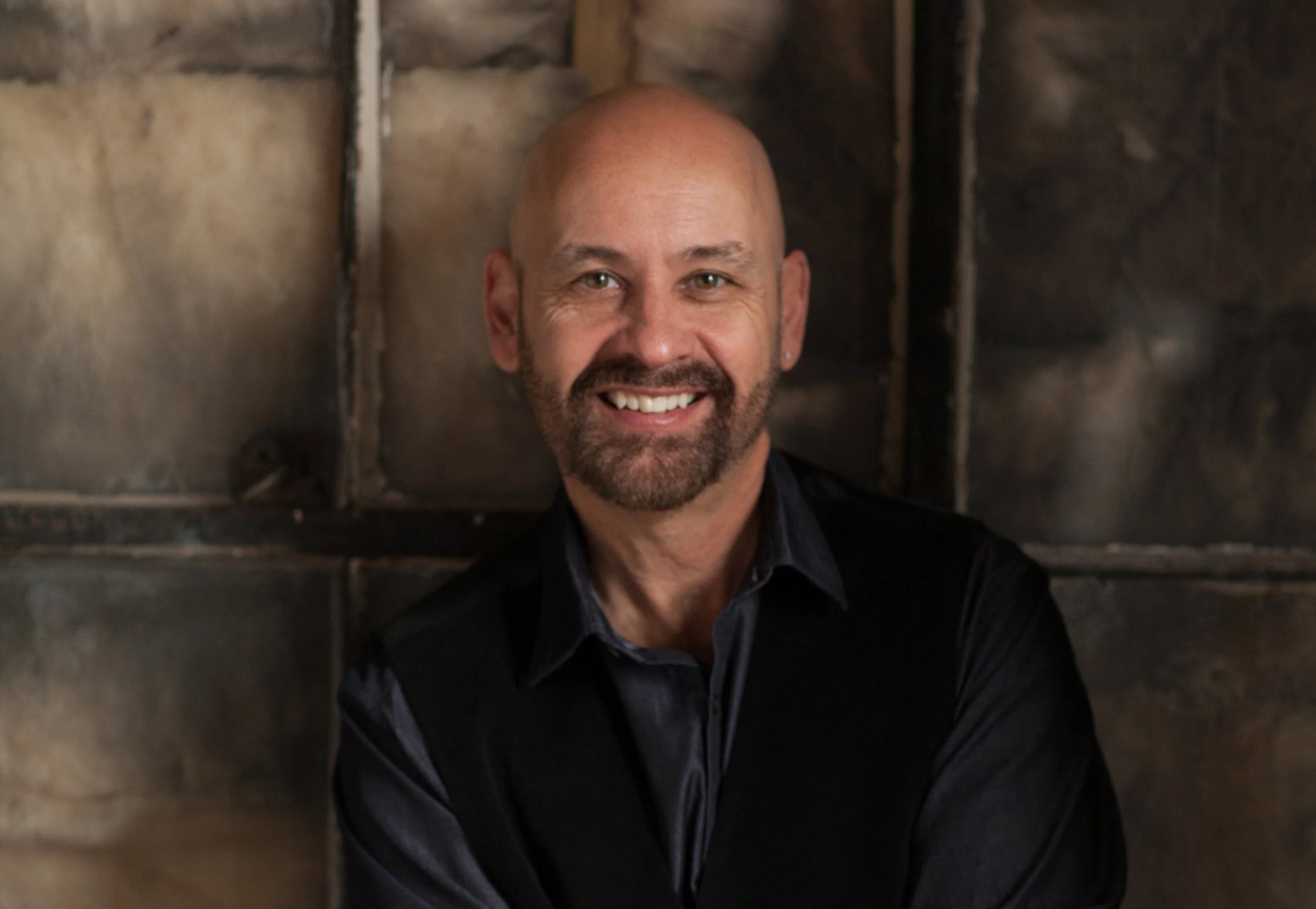
Tim Wheeler is the creator of Cartoonversation™ – award-winning, evidence-based, trauma-informed cartoons, comic books, card games, video games, and interactive read-along books designed to help kids laugh and talk about life’s most difficult challenges. His books and cartoons have won over two dozen national and international awards, as well as the Outstanding Traffic Safety Achievement Award from the Governor’s Traffic Safety Advisory Commission. He holds degrees from Western Michigan University, Northwestern University, and Villanova University. -
![]()
Dave Benjamin
SPEAKER
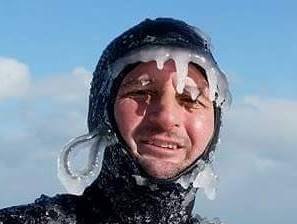
In 2010, Dave Benjamin survived a drowning incident while winter surfing in Lake Michigan. Driven by this incident, Dave dedicated his life to water safety and co-founded the Great Lakes Surf Rescue Project (GLSRP). The GLSRP’s mission is to eradicate drownings by being the leader of Great Lakes water safety by providing training, public preparedness, and public awareness, and its vision is that everyone in the Great Lakes region, nationwide and worldwide, is knowledgeable, engaged and proactive in water safety with an emphasis on the Great Lakes region. -
![]()
Mary Ann Best
SPEAKER
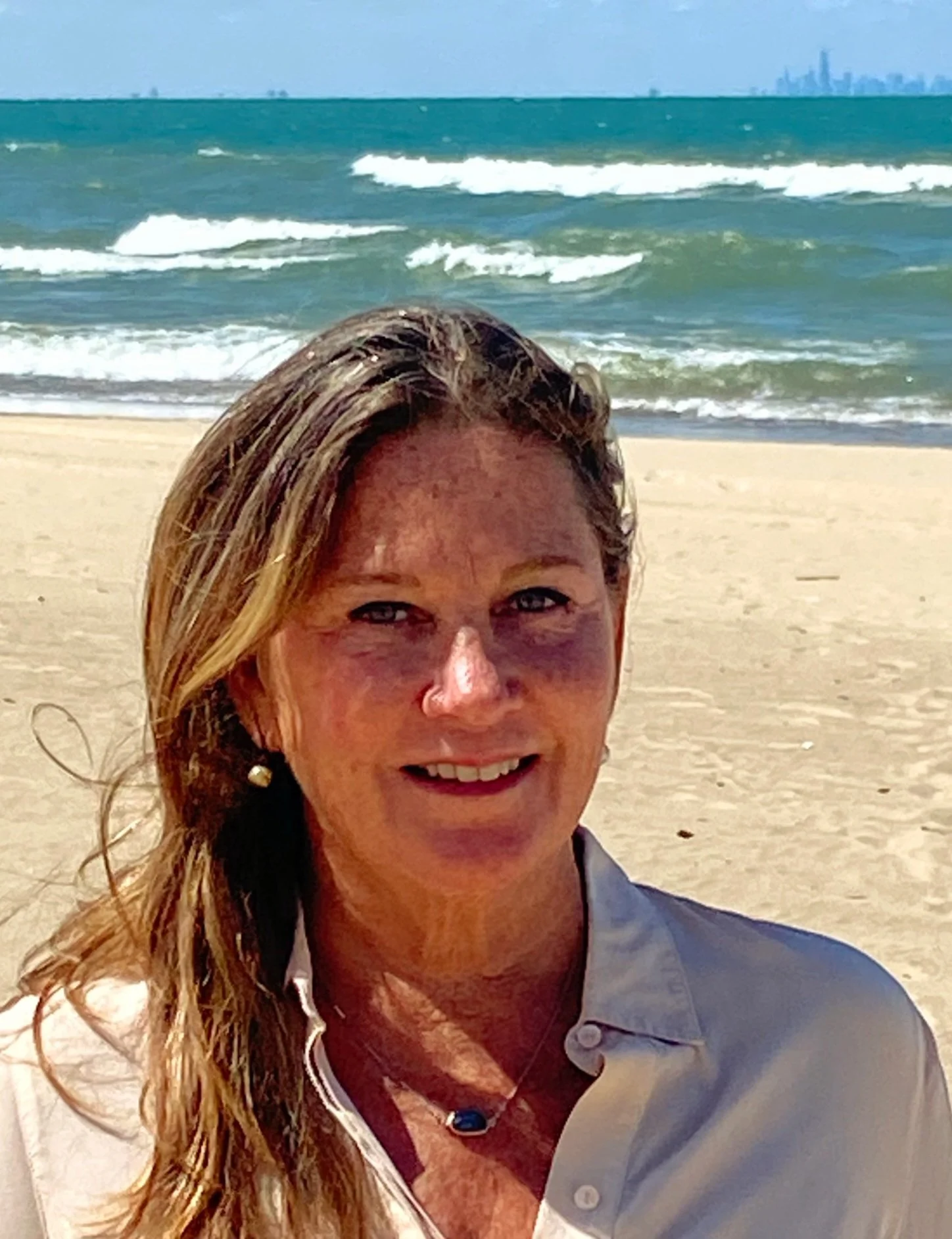
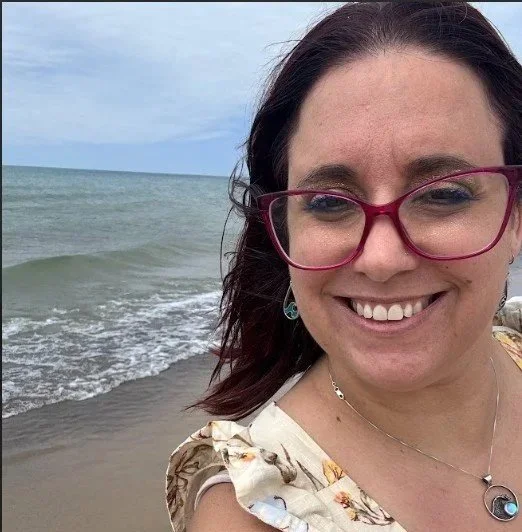
Mary Ann Best founded Blue Flow Great Lakes which provides free beach clinics with a goal to encourage a culture of being in and on the water safely through water safety education and building skills. She spent her childhood at the beach playing and continues to enjoy water sports year-round. With a desire to share her enthusiasm, she champions safe, joyful access to water for all and celebrates the power of community to make it possible. -
![Smiling woman with long, dark hair]()
Ali Bianco
SPEAKER
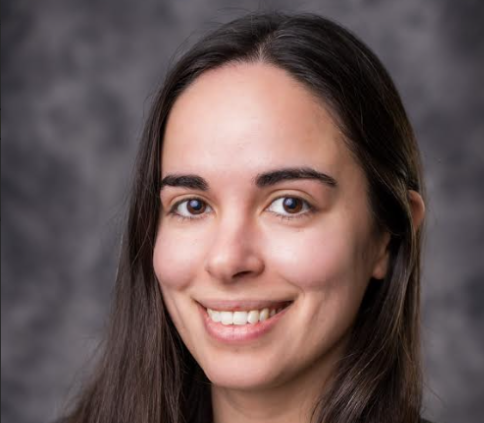
Ali Bianco is an Injury Epidemiologist at the Michigan Department of Health and Human Services. She holds a Master of Public Health (MPH) degree from Purdue University. For the past four years she has conducted surveillance and epidemiologic analyses of both fatal and nonfatal injuries and assisted on a number of injury prevention efforts at the state level. -
![Smiling man with earrings and a blue dress shirt]()
Connor Brooks
SPEAKER
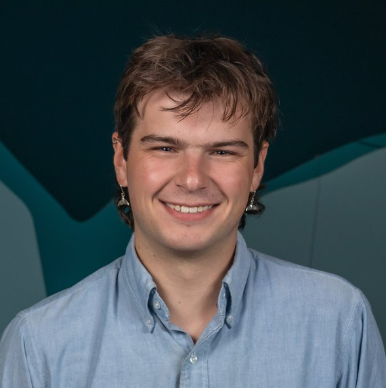
Connor Brooks is a data technician with the Great Lakes Observing System since fall 2025. His work tracks the observing network's platforms, monitors incoming data from around the region, and connects with data partners to establish new stations. He holds a BSc in Atmospheric and Oceanic Sciences from the University of Wisconsin–Madison and previously worked at the Gulf of Maine Research Institute on water level monitoring and coastal flooding preparedness. -
![]()
Lynn Clarke
SPEAKER
Lynn Clarke is a Certified Therapeutic Recreation Specialist and a Certified Parks and Recreation Professional. She has dedicated her professional career to enhancing lives for people of all abilities through recreation. What she is most proud of in her career is her work with SWIM Central and the life changing life saving impact the program has had on hundreds of individuals and families. -
![]()
Megan Dodson
SPEAKER
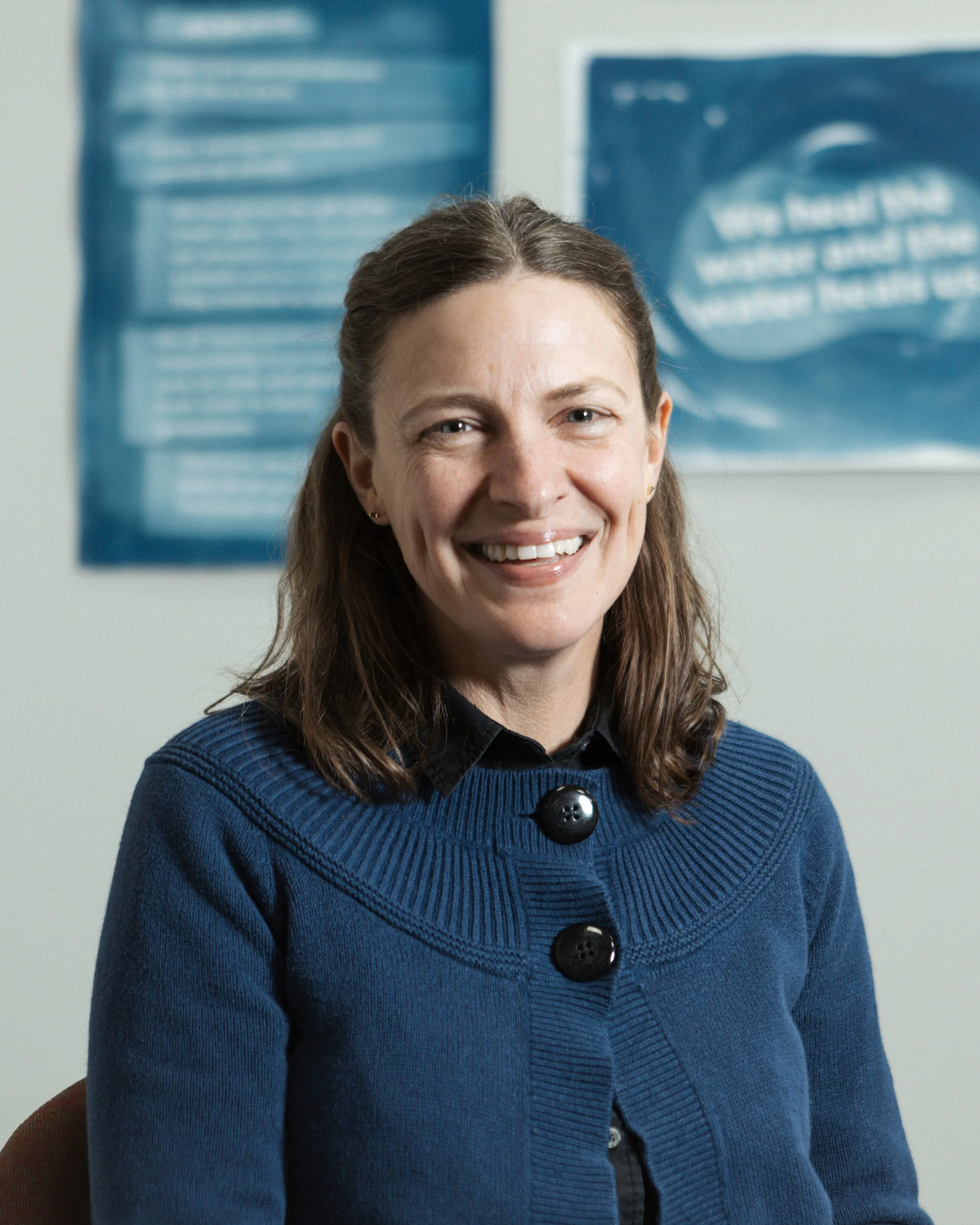
Megan Dodson has worked with the Great Lakes Water Safety Consortium since 2016 in several roles, such as the Data & Metrics Committee co-lead. The committee is working to create a comprehensive database for drowning incidents. The collaborative project combines databases and other sources to gain a big picture of the "drowning problem" on the Great Lakes. Ms. Dodson has been involved in water safety efforts since 2010 when she worked as a weather/marine forecaster. -
![Man with glasses holding microphone at podium with beach and lake in background]()
Bob Dukesherer
SPEAKER
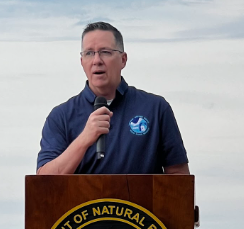
Bob Dukesherer is a 33-year veteran of the National Weather Service, serving as Senior Forecaster and Marine Program Manager at the Grand Rapids office. He issues forecasts and warnings for 23 counties of Southwest Lower Michigan and a large portion of Lake Michigan, and works closely with the Michigan DNR, U.S. Coast Guard, and other marine safety entities. Bob has played a prominent role in the rip current and beach hazards effort for the past 25 years. He holds a BS in Meteorology from Central Michigan University. -
![Smiling man with flowing hair in sport coat]()
Drew Ferguson
EXECUTIVE DIRECTOR
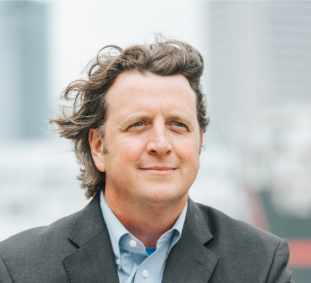
Captain D. Andrew Ferguson is Executive Director of the Great Lakes Water Safety Consortium and founder of Argonaut, a nonprofit that builds talent in aerospace and maritime fields through immersive learning experiences. One of Argonaut's signature programs is PHASTAR Marine Safety, a USLA Lifeguard Agency providing safety and rescue through the Port of Cleveland. Drew brings a unique blend of operational leadership and mission-driven program design to Great Lakes water safety. -
![]()
Dr. Greg Field
SPEAKER
Greg Field is the Technical Advisor for the CDC Foundation's Basic Swimming and Water Safety Project and the President of The ARC Project, a surf and water safety camp for children and youth in both Michigan and Florida. Greg completed his Doctorate at Michigan State University with a research concentration in water safety education and drowning prevention and helped write the U.S. National Water Safety Action Plan. He is currently helping to lead the Michigan Drowning Prevention Alliance and was a former firefighter, medical first responder, and certified surf-rescue lifeguard. -
![Smiling young man in grey suit with blue tie]()
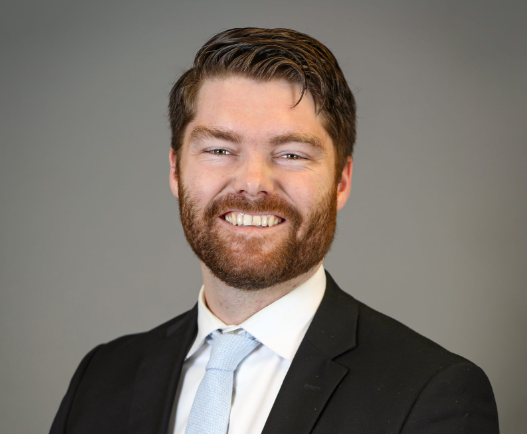
David Figueredo
SPEAKER
David Figueredo is the Chief Lifeguard for the City of South Haven, where he led the reinstatement of the city's Beach Lifeguard Program after more than 25 years without guarded waterfronts. A former lifeguard and lakefront supervisor in Evanston, Illinois, David also brings corporate communications experience from Golub Capital. He now integrates municipal leadership, corporate strategy, and years of lakefront expertise to advance water safety across the Great Lakes. -
![]()
Amy Gruber
SPEAKER
Amy Gruber is a South Haven native who has spent decades in aquatic education, coaching age group, high school varsity, and masters swim teams. She is the Community Swim Director for South Haven Public Schools, where she has led swim lessons and water safety education for second- through fifth-graders since 2008. Amy also operates Swim Lady Coach, teaching survival swim lessons, and has trained South Haven's city lifeguards in their baseline American Red Cross certifications. -
![]()
Dr. Chris Houser
SPEAKER
Dr. Chris Houser is a coastal geomorphologist and Professor at the University of Waterloo whose research focuses on beach safety, rip currents, coastal hazards, and human-environment interactions. His work combines field observations, numerical modeling, remote sensing, and artificial intelligence to understand and predict drowning risk. Through collaborations with governments, lifeguard organizations, and coastal communities, he develops science-based tools and strategies to improve hazard forecasting, risk communication, and public safety at beaches. -
![Smiling woman with long hair and glasses against national weather service backdrop]()
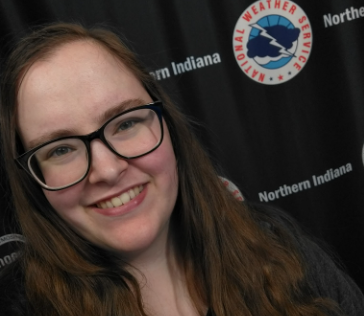
Maddi Johnson
SPEAKER
Maddi Johnson has been a meteorologist with the National Weather Service (NWS) Northern Indiana office since 2021. Over the past five years, she has helped conduct extensive research on drownings and rescues on the Great Lakes. Maddi is passionate about improving understanding of how hazardous wave and weather conditions – especially currents – play a role in maritime incidents. -
![]()
Martin Johnston
SPEAKER
Martin Johnston is a Legislative Director at Acuitas, bringing extensive experience in public policy and legislative affairs at the state and federal levels. He most recently served as Chief of Staff to State Senator Roger Victory, managing policy, communications, and district operations – including work on water safety education language. Previously, he held senior roles in the Michigan Senate, including Legislative Director and Legislative Aide to former State Senator Wayne Schmidt, specializing in appropriations and transportation. Martin holds a BA from Grand Valley State University. -
![]()
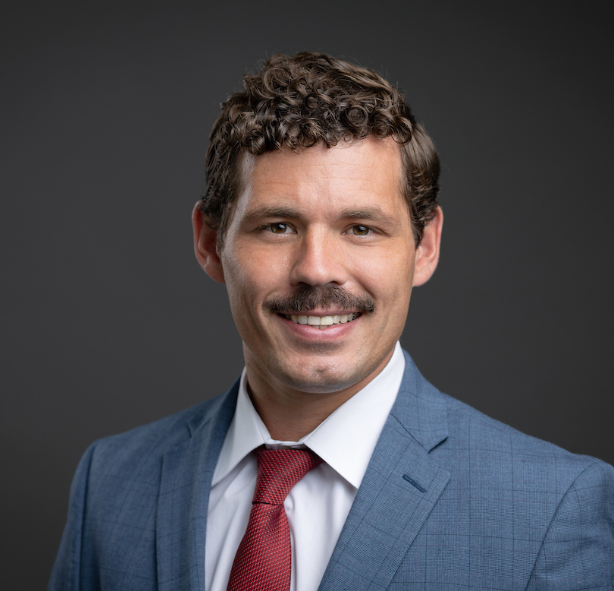
Jordan Jorritsma
SPEAKER
Jordan Jorritsma serves on the Ottawa County Board of Commissioners, representing the north side of Holland since his election in 2024. He also serves as a Legislative Director at Acuitas LLC, a public affairs firm in Lansing, where he supports clients' work on legislation and advocacy. Jordan holds degrees in Economics and Political Science from Calvin University. He previously served as Legislative Director for State Representatives Curt VanderWall and Greg VanWoerkom. He lives in Holland with his wife and daughter. -
![]()
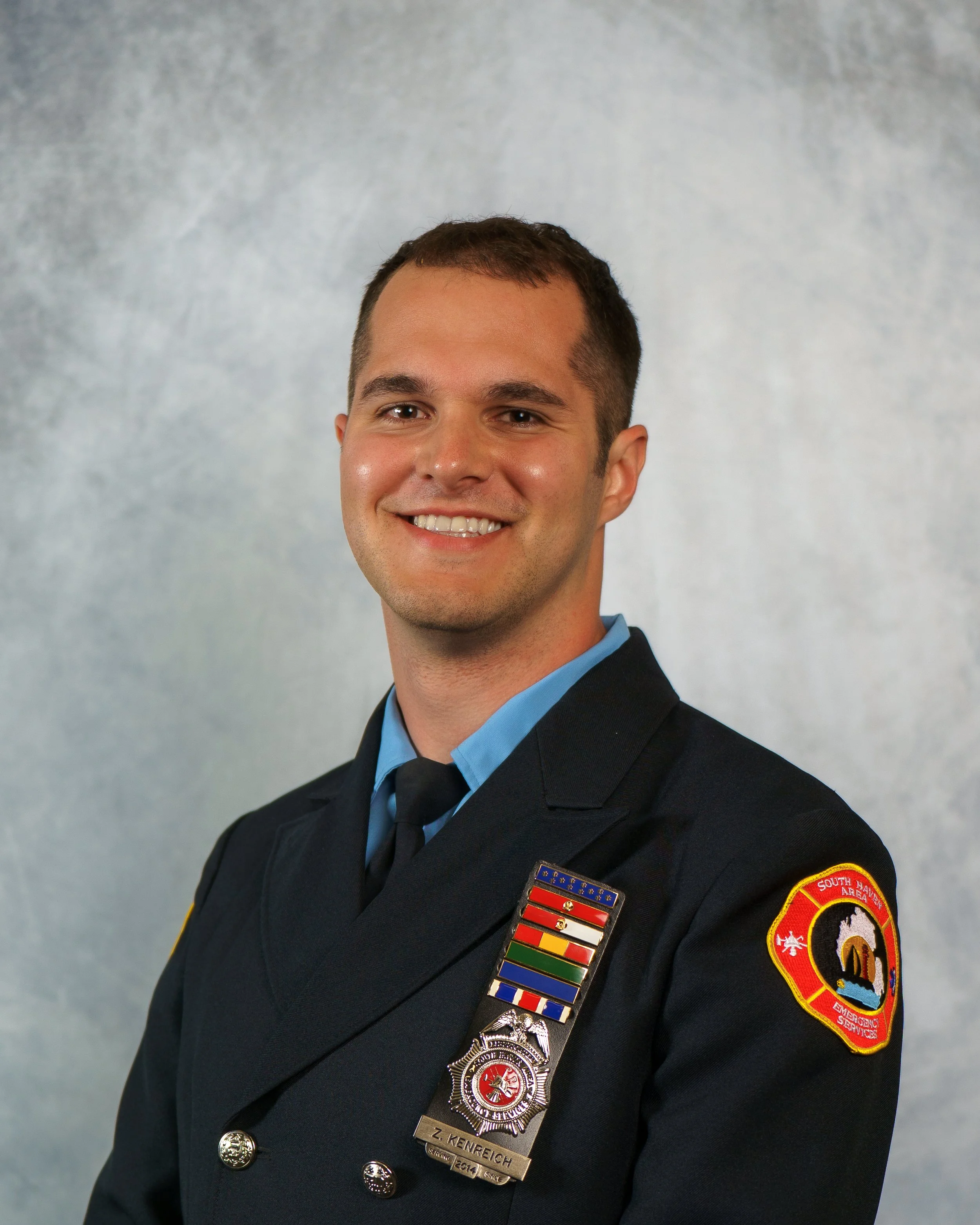
Zachary Kenreich
SPEAKER
Zachary has been a Firefighter, Engineer, Paramedic, and Field Training Officer for South Haven Area Emergency Services for 12 years. He has also been a FAA Part 107 drone pilot for 5 years. His interests include drone videography, lawn care, construction, and fitness.
-
![]()
Phillip Kiley
SPEAKER
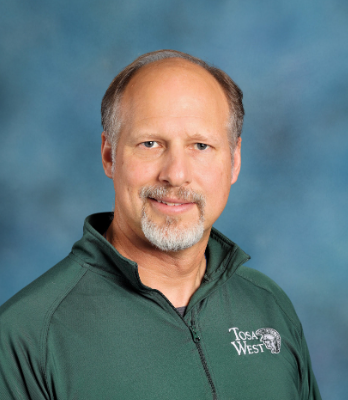
Phil recently completed 21 seasons with the City of Racine Lifeguards. The last five managing the program as a Recreational Specialist for the City of Racine Parks, Recreation, and Cultural Services Department. Between seasons he is a Technology Education Teacher and Department Chair at Wauwatosa West High School in Wisconsin. Phil has a BA in History and Geography from UW-Platteville, and a BS and MEd in Technology Education from Valley City State University. -
![]()
Nathan MacIntyre
SPEAKER
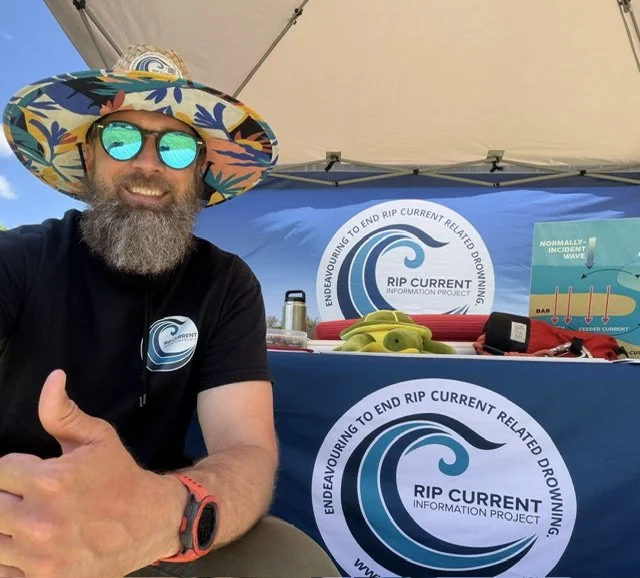
Nathan MacIntyre is a Canadian water safety advocate, healthcare provider, maritime professional, and founder of the Rip Current Information Project. His commitment to water safety began in 1998 after losing a friend to drowning on a Great Lakes beach. He spent 18 years lifeguarding that same shoreline, helping transform the local beach patrol into a professional Beach Rescue Service. Nathan advocates fortifying Great Lakes beaches with evidence-based approaches to dangerous currents, drowning prevention, beach safety, and risk communication. -
![Sean Malloy in uniform with flag behind him]()
Sean Malloy
SPEAKER
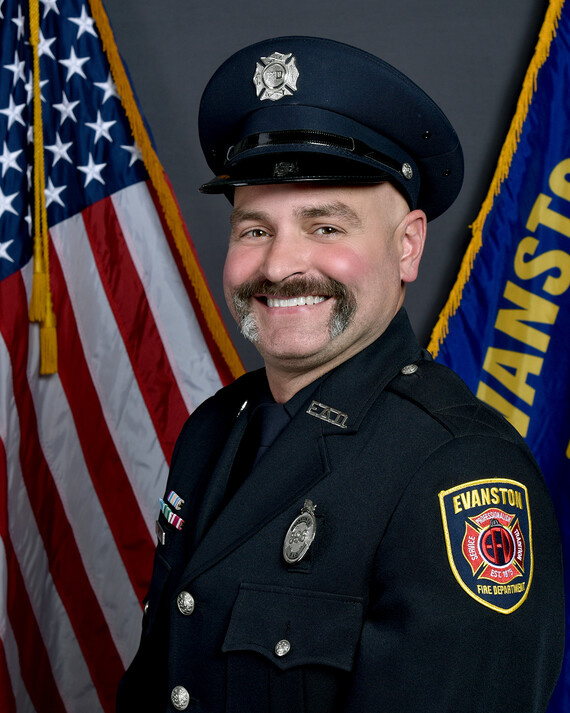
Sean is the Field Chief of Special Operations for the Evanston Fire Department, managing our lakefront operations, 150 seasonal lifeguards, a 40-member Surface Water Rescue team, and 20 NASBALA-certified boat operators. With over 20 years of emergency response experience, he oversees their multi-agency marine fleet, including a joint-agency Fire Boat, 2 Boston Whaler search-and-rescue vessels, and 2 personal rescue watercraft. He serves as EFD’s and the Divisional Technical Rescue Training Director and officer. He is currently pursuing a PhD at Oklahoma State University. -
![]()
Briar McCaw
SPEAKER
Briar McCaw is the founder and chair of the Elgin County Drowning Prevention Coalition, where she leads collaborative initiatives bringing together municipalities, emergency services, and aquatic professionals to improve water safety across Elgin County, Ontario. She holds a Master of Public Health from Brock University and serves as Research Chair for the Ontario Lifesaving Society's Public Education Council. A beach rescue lifeguard on Lake Erie, Briar is passionate about translating evidence into practical, locally responsive action. -
![]()
Dan Metcalfe
SPEAKER
Dan Metcalfe has served in public safety for over 30 years, including 25 years as a paramedic. He volunteered with the Canadian Coast Guard Auxiliary for 11 years on the western basin of Lake Erie and is a lead coordinator for the Windsor-Essex County Drowning Prevention and Water Safety Coalition. Dan is an IMS/ICS Instructor for Emergency Measures Ontario and has led the Border Sentinel search-and-rescue exercise on the Detroit River since 2015. He is a champion of cross-border first responder interoperability. -
![]()
Rhonda Nordstrom
SPEAKER
Rhonda Nordstrom is the Community Education Manager for Milwaukee Water Commons, a cross-city network fostering connection, collaboration, and community leadership on behalf of shared waters. In 2020, after four drownings off local beaches, she helped create and launch the Beach Ambassador Project to build safer and more equitable access to Milwaukee's beaches. She has been growing the project's reach and impact ever since. A lifelong lover of water, Rhonda lives on Lake Michigan's shore in Milwaukee. -
![Smiling woman with dark hair and purple scarf with water in the background]()
Deidre Peroff
SPEAKER
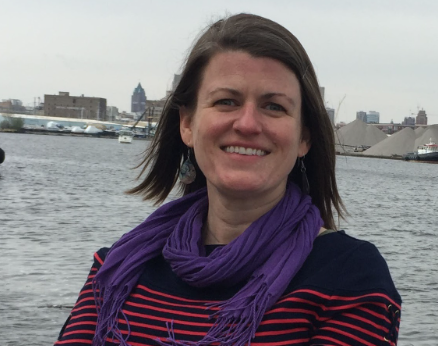
Dr. Deidre Peroff is Wisconsin Sea Grant's social scientist, based at UW-Milwaukee's School of Freshwater Sciences. She uses social science methods to improve access to water resources, facilitate place-based education, and support the well-being and resiliency of Great Lakes coastal communities. She holds a PhD in Parks, Recreation, and Tourism Management from NC State University, an MS in Geography from Western Washington University, and a BS in Geography from UW-Madison. -
![Smiling man in lifejacket and baseball hat]()
Trevor Pinkalla
SPEAKER
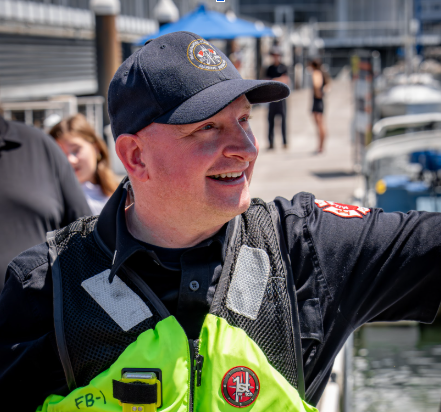
Trevor Pinkala has spent 30+ years in water rescue, public safety, and emergency response. He started as a lifeguard at 14, entered the fire service in 2000, and joined the Milwaukee Fire Department in 2013, serving on its Dive Rescue Team since 2014. He is a PADI, Public Safety Diver, and Mark V (Recreational Standard Dress) instructor, sits on the Midwest Public Safety Diving Association board, and helped found Water Safe MKE. -
![Image of Bob Pratt in a Uniform]()
Bob Pratt
SPEAKER
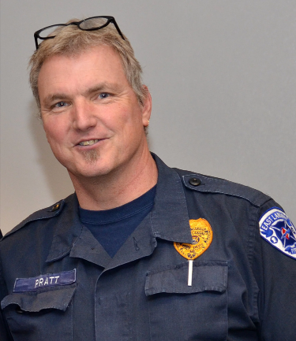
Bob Pratt is co-founder of the Great Lakes Surf Rescue Project. A lifelong water safety advocate and a retired Paramedic/Firefighter. He’s attended and presented at National, and International conferences, including presenting in Australia. He’s won numerous awards including the National Drowning Prevention Alliance “Lifesaver of the Year”. Pratt has received “Lifetime Achievement Awards” from “Lifesaver Pool Fence” and the “NDPA”. Bob lives in Haslett Michigan with his wife Cynthia, and their dog “Paco”. -
![]()
Jamie Racklyeft
FOUNDER
Jamie Racklyeft was the lucky one, saved at the last second from a Lake Michigan rip current by two brave strangers. He founded the Great Lakes Water Safety Consortium, getting people working together to help others avoid, escape, and safely save lives in dangerous waters. Communication Director at the University of Michigan, he brings 30+ years spanning healthcare, research, corporate, and nonprofit work. He later married on that same beach. -
![]()
Stephané Rebeck
SPEAKER
Stephané Rebeck is a national expert in aquatic supervision and management, working in pool, non-pool, and surf environments over her 40-year career. She founded Backyard Lifeguards in 2010, and BYLG Sport in 2012 to meet demand for event management and lifeguard services for open-water and multi-sport events. She is an American Red Cross Instructor Trainer in Lifeguarding, Water Safety, and BLS, and a USLA Surf Rescue Training Officer, while also serving as secretary of the USLA Great Lakes region. -
![]()
Owen Ridley
SPEAKER
Owen is a Firefighter, Paramedic-IC, Rescue Diver, and Master SCUBA Diver Trainer. He is married to a wonderful Firefighter, EMT-B, Rescue Diver, and Dive Master that tolerates his absence. Owen is a father of 4 Daughters and 2 German Shepherds and a grandfather of triplets. He has been a Firefighter/Paramedic and Rescue/Recovery Diver for 35 years, a fire instructor for 29 years, a paramedic instructor for 21 years, and a PADI Master SCUBA Diver Trainer for 3 years.
-
![Smiling man in baseball cap]()
Scott Ruddle
SPEAKER
Scott Ruddle is a paramedic from London, Ontario, and a working lifeguard for over 40 years. He is a Great Lakes water safety expert involved in lifeguard training, research, and public education. Scott is an Aquatics Safety Auditor, Lifeguard Instructor/Examiner/Instructor Trainer, and a member of the National Lifeguard Advisory Committee for the Ontario branch of the Canadian Lifesaving Society. His passion is the freshwater surf of the Great Lakes, and he advocates for improved water safety and lifeguard services across the region. -
![]()
Caty Simcek
SPEAKER
Caty, a Gaylord, MI native living in Florida, has been a nurse for 11 years. She was just 10 years old when her cousin Travis Brown drowned in a rip current on Lake Michigan. She has been involved with water safety efforts ever since, starting with the Mackinac Water Safety Review Team. She leads the awards and recognition committee for the Great Lakes Water Safety Consortium, and is a critical part of the conference planning committee. -
![]()
Ella Skrocki
SPEAKER
Ella Skrocki holds the helm at Sleeping Bear Surf, a community hub, and center for retail, rentals, lessons, camps, and retreats in Empire, founded by her parents in 2004. Ella has spent more than 15 years developing Jr. Waterman Camp, fostering water safety, confidence, adaptability, and connection through Great Lakes adventure. She is passionate about helping the next generation become capable, curious, and responsible Great Lakes watermen.
-
![Man with beard and glasses presenting in front of banner]()
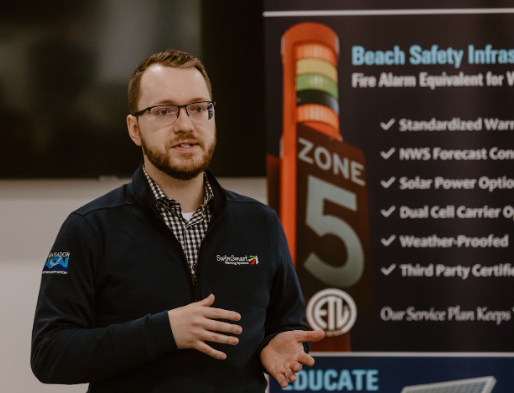
Jacob Soter
SPEAKER
Jacob Soter is the Managing Director and cofounder of SwimSmart Technology, inventor of its automated beach warning and rescue systems. Based in Marquette, Michigan, he holds an Electrical and Computer Engineering degree and an MBA from Michigan Tech. A NOAA Weather-Ready Nation Ambassador and GLWSC Water Safety Superhero of the Year, he advances practical, tech-driven drowning prevention. -
![]()
Senator Mark Spencer
SPEAKER
Senator Mark Spencer represents Indiana Senate District 3, encompassing portions of Lake County including Gary, Lake Station, New Chicago, Hobart, Ainsworth, and Merrillville. He co-authored Senate Bill 123: Student Water Safety with Senator Ed Charbonneau, landmark legislation requiring Indiana public and charter schools to present approved water safety videos to students in kindergarten through grade 12. Senator Spencer is a leading voice for drowning prevention through education and policy in the Great Lakes region. -
![]()
State Rep. Donni Steele
SPEAKER
State Rep. Donni Steele represents Michigan's 54th House District, including Bloomfield Hills, Orion Township, and portions of Auburn Hills, Bloomfield Township, and Oakland Township. Elected in 2022, she serves on the House Appropriations Committee and chairs the Appropriations Subcommittee on State and Local Transportation. A lifelong Oakland County resident and Lake Orion High School graduate, Rep. Steele brings more than two decades of small-business experience and a decade of local government service to her legislative work. She is a strong advocate for water safety policy in Michigan. -
![]()
Dylan Steigerwald
SPEAKER
Dylan Steigerwald is an epidemiologist with the CDC Foundation working in partnership with the Michigan Department of Health and Human Services. He supports drowning prevention efforts across the state by improving how drowning data are collected, analyzed, and used to better inform public health action and prevention efforts. -
![]()
Dr. Doug Wiebe
SPEAKER
Douglas Wiebe, PhD is Professor of Epidemiology at the University of Michigan, with appointments in the Department of Epidemiology (School of Public Health) and the Department of Emergency Medicine (School of Medicine). He directs the CDC-funded U-M Injury Prevention Center. His research applies spatial and temporal epidemiological methods to identify injury prevention opportunities. His group has published on drowning prevention in Michigan and recently led a NIH grant application to build drowning prevention and water safety capacity across Michigan lakes and summer camps.

Venue
Michigan Maritime Museum
260 Dyckman Avenue · South Haven, Michigan 49090
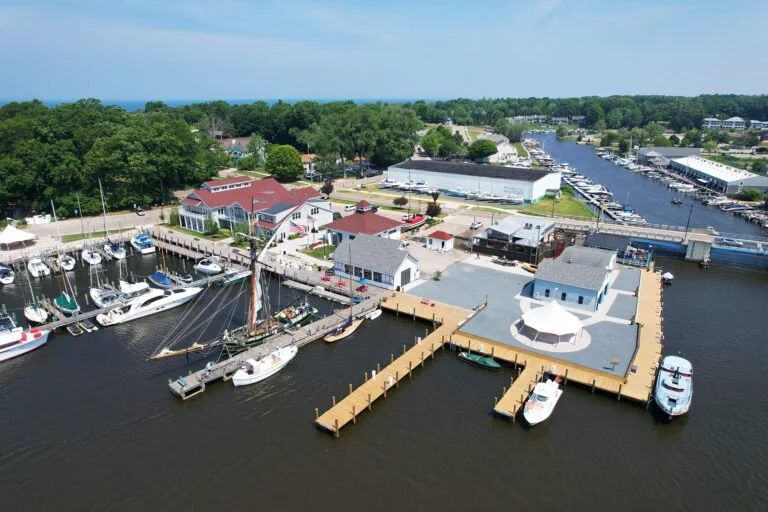
The Michigan Maritime Museum sits along the Black River in downtown South Haven, just steps from Lake Michigan. Our conference will take place in the museum's event spaces, with breakout rooms, a vendor exhibit area, and access to the museum's maritime heritage exhibits throughout the event.
Venue highlights:
Main conference hall with capacity for 150 attendees
Breakout rooms for smaller sessions and workshops
Vendor exhibit space in the Atrium Overlook, open to the main hall
Museum exhibits and Historic U.S. Coast Guard Outbuilding included with registration
Waterfront setting on the Black River

Lodging
Victoria Resort
Address: 241 Oak St, South Haven, MI 49090 [Google Map]
Phone: 269-637-6414
Meals: You can arrange for homemade breakfast.
Discount Code [20% Off]: CONFERENCE
Must book by calling and paying deposit by June 15, 2026
Cottages are also available for 2-6 people.
Inn at the Park
Address: 233 Dyckman Ave, South Haven, MI 49090 [Google Map]
Phone: 269-639-1776
Email: innparkbb@gmail.com
Meals Included: Plated/Served breakfast each morning
Discount: 10% Discount on 2-night stays
Must book a reservation by June 15, 2026. When you book by calling, mention the conference.
When you book online, make a note about the conference.
WatersView Inn
Address: 86 N. Shore Drive South Haven, MI 49090 [Google Map]
Phone: 269-637-8943
Meals Included: Grab-n-go continental breakfast
Discount: 10% Discount on 2-night stays
Must book a reservation by June 15, 2026: When you book by calling, mention the conference.
When you book online, make a note about the conference.
Baymont By Wyndham
Address: 1555 Phoenix Rd, South Haven, MI 49090
Phone: 269-639-9900
Meals: Continental Breakfast
Discount: 20% off
$107.99 + 11% tax Wed. night
$89.99
Hampton Inn South Haven
Address: 04299 Cecilia Drive, South Haven, MI 49090
Phone: 269-639-8550
Meals: Continental Breakfast
Discount: $155 Per Night
Must book by August 30, 2026
Location
South Haven, MI
South Haven is a Lake Michigan beach community known for its iconic red lighthouse, sandy beaches, and vibrant downtown. It's also a community that has taken real steps to improve water safety along its shoreline – making it a fitting host for this conference.
South Haven is located on Michigan's southwestern freshwater coast.
Pricing
-
Regular Price (after June 15): $150
-
Regular Price (after June 15): $100
-
Early Bird (through June 15): $90
Regular Price (after June 15): $100 -
Early Bird (through June 15): $25
Regular Price (after June 15): $25
All multi-day and single-day registrations include access to the optional Wednesday Demo Day at no extra charge.
Our drowning prevention events are known for their value and for exceeding expectations. Register and find out why.
Sponsors
Great Lakes Life Savers
Water Safety Champions

Megan & Amos Dodson

Drowning Prevention Pioneers

Fresh Goat Cheese

Silver Level Sponsors

Caty Simcek

In Loving Memory of Ed Harris
Bronze Level Sponsors
Konnie Purcell
We are grateful for the generous support of our sponsors, without whom this event could not happen. Please thank them when you see them.
Interested in joining them? Contact our Executive Director, Captain Drew Ferguson here.
Gold Level Sponsors
Interested? Save your spot today.
Your Conference Planning Team
Mary Ann Best, Co-Chair
Megan Dodson, Co-Chair
Pam Ford, Host
Leslie Dorworth
Drew Ferguson
Dan Metcalfe
Jamie Racklyeft
Caty Simcek